
What is Cybersecurity & Why It's Crucial Today?
Dive deep into the world of digital defense and discover why safeguarding your online presence is more vital than ever.
Secure Your Digital FutureKey Takeaways
- ✓ Cybersecurity is the practice of protecting systems, networks, and programs from digital attacks.
- ✓ Data breaches cost companies billions annually and can severely damage reputations.
- ✓ Individuals are increasingly targeted by phishing, malware, and identity theft.
- ✓ A multi-layered approach combining technology, processes, and people is most effective.
How It Works
Organizations and individuals first identify valuable digital assets and implement controls like firewalls, encryption, and access management to shield them from threats.
Continuous monitoring using intrusion detection systems, antivirus software, and behavioral analytics helps identify suspicious activities or unauthorized access attempts in real-time.
When a security incident occurs, a rapid response plan is activated to contain the breach, eradicate the threat, and recover affected systems and data to their normal operational state.
After an incident, systems are restored, and a thorough post-mortem analysis is conducted to understand the attack, identify vulnerabilities, and implement improvements to prevent future occurrences.
Understanding the Foundation: Defining Cybersecurity
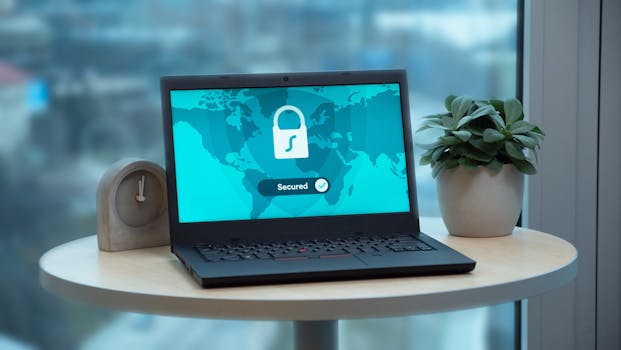 Photo: Dan Nelson / Pexels
The Escalating Threat Landscape: Why Cybersecurity is Indispensable
 Photo: Mikhail Nilov / Pexels
Core Pillars of a Robust Cybersecurity Strategy
 Photo: Christina Morillo / Pexels
Practical Steps for Enhanced Cybersecurity: Tips for Individuals and Businesses
 Photo: Tima Miroshnichenko / Pexels
Comparison
| Feature | Enterprise Solution | SMB Solution | Individual Solution |
|---|---|---|---|
| Scope of Protection | Full network, endpoints, cloud | Network, endpoints, some cloud | Personal devices, online accounts |
| Cost (Annual) | $10,000s - Millions+ | $1,000s - $10,000s | $50 - $200 |
| Required Expertise | Dedicated Security Team | IT Dept. / Managed Service | Basic tech literacy |
| Threat Intelligence | ✓ Advanced, real-time feeds | ✗ Limited, vendor-supplied | ✗ Basic, antivirus updates |
| Incident Response | ✓ Full, dedicated team | ✓ Basic plan, vendor support | ✗ Manual recovery |
| Regulatory Compliance | ✓ Extensive, automated | ✓ Some, manual effort | ✗ Not applicable |
What Readers Say
"Understanding what is cybersecurity and why it is important was a game-changer for my small business. This article broke down complex concepts into actionable steps, helping me implement stronger defenses and protect my client data effectively."
Sarah J. · Austin, TX"I used to think antivirus was enough. After reading this, I realized the depth of cyber threats and immediately set up MFA everywhere. It's truly eye-opening how crucial comprehensive digital protection is."
Mark D. · Seattle, WA"This guide helped our non-profit develop a much-needed incident response plan. We now feel significantly more prepared to handle potential breaches, saving us from potential operational nightmares."
Emily R. · Chicago, IL"While very comprehensive, some parts felt a bit technical for a complete beginner. However, the practical tips section was excellent and easy to implement. A solid resource overall."
David L. · Boston, MA"As a parent, the section on individual cybersecurity gave me clear steps to protect my family's online presence. It's not just for businesses; personal digital safety is equally vital, and this article makes that clear."
Jessica M. · Denver, COFrequently Asked Questions
What is the primary goal of cybersecurity?
The primary goal of cybersecurity is to protect digital assets—systems, networks, and data—from unauthorized access, damage, or theft. This involves ensuring the confidentiality, integrity, and availability (CIA triad) of information, mitigating risks, and enabling secure operations in the digital world for individuals and organizations alike.
Is cybersecurity only for large corporations?
No, cybersecurity is crucial for everyone, from individuals to small businesses and large corporations. While large enterprises face more sophisticated attacks, individuals and small businesses are often targeted because they may have weaker defenses. Protecting personal data, financial information, and operational continuity is vital for all.
How can I improve my personal cybersecurity right now?
You can significantly improve your personal cybersecurity by using strong, unique passwords with a password manager, enabling multi-factor authentication (MFA) on all accounts, keeping your software and operating system updated, being cautious of phishing attempts, and regularly backing up your important data.
What is the cost of a cyber attack?
The cost of a cyber attack can vary dramatically. For individuals, it can range from identity theft and financial fraud to emotional distress. For businesses, costs can include financial losses, reputational damage, regulatory fines, legal fees, operational downtime, and the expense of recovery and enhanced security measures, often totaling millions of dollars.
How does cybersecurity differ from information security?
While often used interchangeably, information security is a broader concept focused on protecting all forms of information (digital, physical, verbal) from unauthorized access, use, disclosure, disruption, modification, or destruction. Cybersecurity specifically deals with protecting information and systems in the digital realm from cyber threats. Cybersecurity is a subset of information security.
Who should be concerned about cybersecurity?
Everyone who uses digital devices or accesses the internet should be concerned about cybersecurity. This includes individuals managing personal finances or social media, businesses of all sizes handling customer data, and governments protecting critical infrastructure. If you interact with the digital world, cybersecurity applies to you.
Are cloud services secure from cyber threats?
Cloud services can be very secure, often more so than on-premise solutions for many organizations, due to the significant investments cloud providers make in security infrastructure and expertise. However, security in the cloud is a shared responsibility. While providers secure the 'cloud itself,' users are responsible for securing their data 'in the cloud,' including configuration, access controls, and data encryption.
What are the future trends in cybersecurity?
Future trends in cybersecurity include the increasing use of Artificial Intelligence (AI) and Machine Learning (ML) for both defense and attack, a growing focus on securing IoT devices, the rise of quantum computing's impact on encryption, the need for robust zero-trust architectures, and an emphasis on human-centric security awareness to combat sophisticated social engineering attacks.
Understanding what is cybersecurity and why it is important is no longer optional; it's a fundamental necessity in our digital age. Take proactive steps today to protect your data, privacy, and peace of mind against the ever-evolving landscape of online threats. Your digital security starts now.