Mastering Driving laws in Italy for Tourists: Your Ultimate Guide
Driving laws in Italy for tourists

Mastering Driving laws in Italy for Tourists: Your Ultimate Guide

Unlock the freedom of exploring Italy by car with our comprehensive guide to local driving regulations.

Drive Smarter, Travel Further

Key Takeaways

  • ✓ An International Driving Permit (IDP) is legally required for US citizens driving in Italy.
  • ✓ Many historic city centers are restricted by ZTL (Limited Traffic Zones) with heavy fines for unauthorized entry.
  • ✓ Speed limits are strictly enforced, often by automated cameras (Autovelox).
  • ✓ Headlights must be on at all times outside urban areas and in tunnels.
  • ✓ Seatbelts are mandatory for all occupants, front and rear.

How It Works

1
Obtain Your International Driving Permit (IDP)

Before you leave the US, secure your IDP from AAA or AATA. It translates your US license into multiple languages and is a legal requirement.

2
Understand Italian Road Signs and Rules

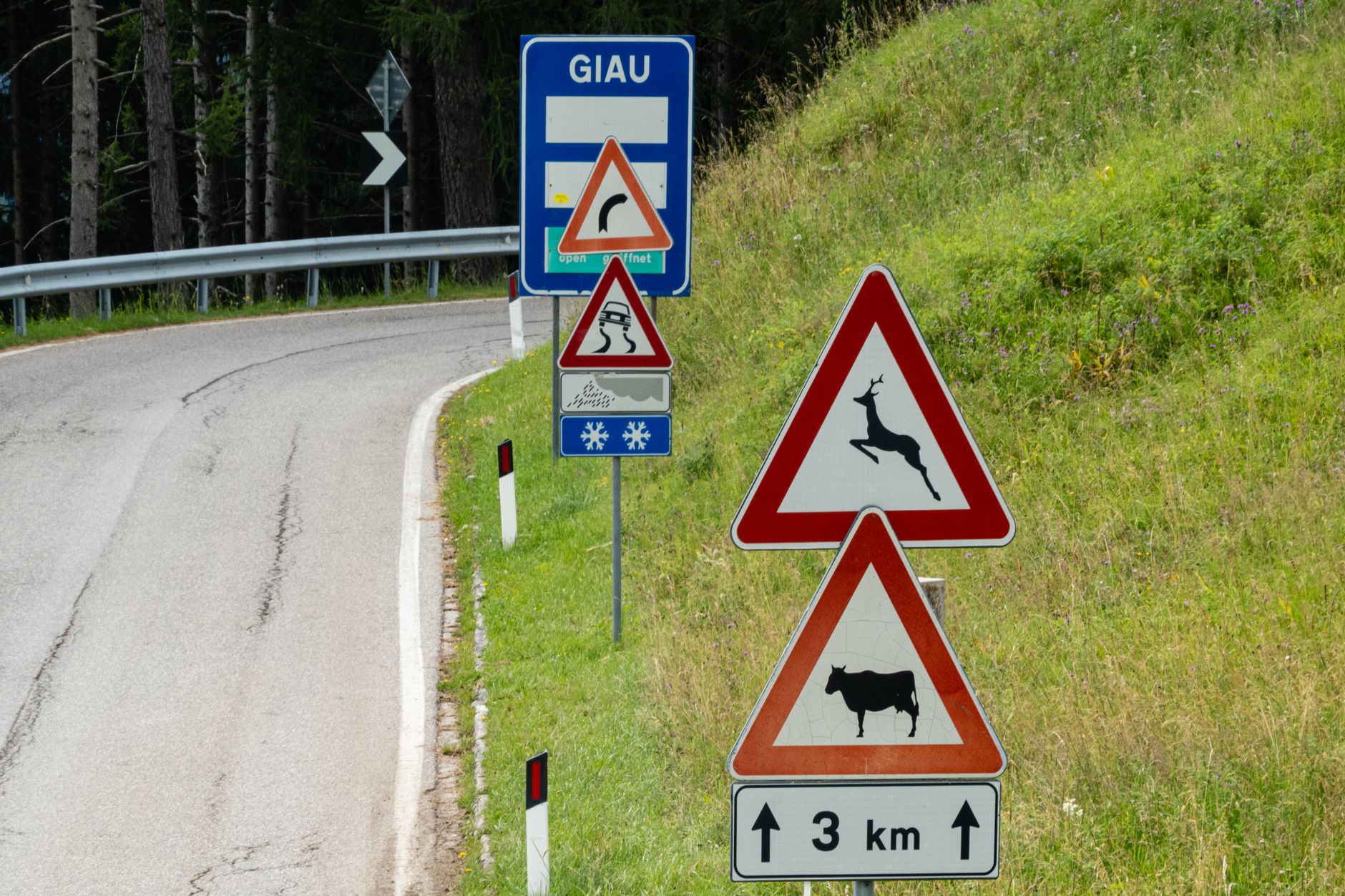
Familiarize yourself with common Italian road signs, especially those indicating ZTLs, speed limits, and no-parking zones. Pay attention to right-of-way rules.

3
Plan Your Route to Avoid ZTLs

Utilize GPS apps that can help you identify and navigate around ZTLs, particularly in major cities. Parking outside these zones is often the best strategy.

4
Prepare for Toll Roads and Fueling

Italy has extensive toll roads (autostrade). Understand how to pay (cash, card, or Telepass lanes) and be aware of fuel types and self-service pumps.

Navigating the Essential Documentation: IDP and Rental Agreements
Two men driving through scenic landscape, captured from car interior showing dashboard and road. Photo: M.Emin BİLİR / Pexels
Embarking on an Italian adventure by car offers unparalleled freedom, allowing you to discover hidden gems far from the well-trodden tourist paths. However, this freedom comes with a crucial prerequisite: understanding and adhering to the local driving laws, starting with your documentation. For US citizens, the most critical piece of paper beyond your valid US driver's license is the International Driving Permit (IDP). This isn't an optional extra; it's a legal requirement. The IDP serves as an official translation of your domestic license into 10 languages, making it universally understandable to authorities abroad. Without it, you risk significant fines, potential issues with rental car companies, and even complications with insurance claims in the event of an accident. Obtaining an IDP is straightforward. You can acquire one through organizations like the American Automobile Association (AAA) or the American Automobile Touring Alliance (AATA) before you depart the US. It typically requires your valid US driver's license, two passport-sized photos, and a small fee. Ensure your IDP is valid for the entire duration of your trip. Beyond the IDP, your rental car agreement is another document demanding careful attention. When picking up your vehicle, thoroughly review the contract. Understand the insurance coverage included and consider additional options like comprehensive collision damage waiver (CDW) or theft protection, which can provide peace of mind. Many credit cards offer rental car insurance benefits, but it's vital to confirm if these extend to international rentals and specifically to Italy, as some policies have exclusions for certain countries or vehicle types. Always inspect the vehicle for existing damage before driving off the lot and ensure any scratches or dents are noted on the rental agreement to avoid being charged for them later. Familiarize yourself with the car's controls, including lights, wipers, and hazard signals, as Italian vehicles might have slightly different layouts than what you're accustomed to. Don't forget to confirm the fuel type – petrol (benzina) or diesel (gasolio) – as misfuelling can lead to costly repairs. A clear understanding of these documents and the rental process will lay a solid foundation for a stress-free driving experience in Italy. For more details on preparing for your trip, check out this guide on international travel tech essentials.

Deciphering ZTLs and Italian Road Signs: Avoiding Costly Fines
Black and white photo of a restricted military zone sign behind a metal fence. Photo: Veronica Basso / Pexels
Perhaps the single most important aspect of driving in Italy for tourists, and often the most confusing, is the concept of ZTLs – Zone a Traffico Limitato, or Limited Traffic Zones. These are restricted areas, typically found in historic city centers, where vehicle access is controlled to preserve ancient infrastructure, reduce pollution, and enhance pedestrian safety. Entering a ZTL without proper authorization, even for a few seconds, will result in a hefty fine, often captured by automated cameras. These fines can arrive months after your trip, sometimes with additional administrative fees from the rental company. ZTLs are usually marked by prominent signs: a white circle with a red border, often accompanied by text indicating the hours of restriction or specific vehicle types allowed. Below the main sign, you might see smaller signs specifying exceptions, such as 'eccetto residenti' (except residents) or 'eccetto autorizzati' (except authorized vehicles). It's crucial to understand that rental cars are almost never authorized to enter ZTLs unless you have specific permission from a hotel located within the zone, which must then register your license plate with the local police. Always confirm this process with your hotel in advance. Beyond ZTLs, Italian road signs generally follow European standards but have some unique characteristics. Blue signs typically indicate motorways (autostrade) or primary roads, while green signs are for secondary roads. Pay close attention to speed limit signs (white circle with red border and a number), no-parking signs (blue circle with red border and a red diagonal line), and one-way streets. Yield signs are triangular, and stop signs are octagonal, similar to the US. Roundabouts are common, and the general rule is to yield to traffic already in the roundabout unless otherwise indicated. Another critical sign to watch for is 'Autovelox' or 'Controllo Elettronico della Velocità,' which indicates automated speed cameras. These are widespread and unforgiving. Italy also uses 'Tutor' systems on autostrade, which calculate average speeds over long stretches. Ignorance of these signs is not an excuse for avoiding fines. Investing a little time before your trip to familiarize yourself with common Italian road signage can save you significant money and stress. Utilize GPS systems that offer ZTL warnings, but always rely on the physical signs as the ultimate authority. Even the best GPS can sometimes be outdated or miss temporary restrictions. Understanding these nuances is key to a smooth journey.

You may also find Noleggio auto in Italia useful.

Essential Italian Road Rules and Driving Etiquette
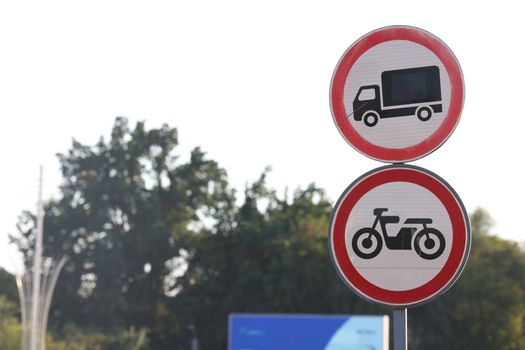
Traffic signs against a backdrop of trees in Uzbekistan, prohibiting trucks and motorcycles. Photo: Xayriddin Baxromxo'jayev / Pexels
Driving in Italy isn't just about understanding signs and zones; it's also about adapting to local driving culture and adhering to specific road rules that might differ from those in the US. One fundamental rule is the mandatory use of headlights. Outside urban areas and in tunnels, your headlights must be on at all times, day or night. This isn't just a recommendation; it's a legal requirement, and non-compliance can lead to fines. Similarly, seatbelts are compulsory for all occupants, front and rear. Children under 12 or shorter than 150 cm (approximately 4 feet 11 inches) must use appropriate child restraints or booster seats, so ensure your rental car provides these if you're traveling with kids. Speed limits are strictly enforced. On autostrade (motorways), the general limit is 130 km/h (approximately 80 mph), though this can be reduced in bad weather or specific sections. On main extra-urban roads, it's typically 90-110 km/h (55-68 mph), and in urban areas, it's usually 50 km/h (31 mph). Always observe posted signs, as limits can change frequently. As mentioned, automated speed cameras (Autovelox) are prevalent, so maintaining awareness of your speed is paramount. Lane discipline on multi-lane roads is also important. The leftmost lane is primarily for overtaking, and you should move back to the right lane after passing. While Italians might seem aggressive drivers, they are generally predictable. Use your indicators clearly and in advance, especially when changing lanes or exiting roundabouts. Honking is generally reserved for emergencies or to signal frustration, not as a general communication tool. Parking can be challenging, especially in cities. Look for blue lines for paid parking, white lines for free parking (often rare), and yellow lines for restricted parking (e.g., for disabled drivers or residents). Always check for signs indicating parking restrictions, as towing is common. When parking on a slope, turn your wheels towards the curb if facing downhill, or away from the curb if facing uphill, and always engage your handbrake. Finally, be aware of toll roads (autostrade). You'll typically take a ticket upon entry and pay upon exit, either with cash, credit card, or via Telepass lanes (which are for subscribers only, so avoid them unless your rental car explicitly includes a Telepass device). Keep small denominations of euros handy for tolls. Understanding these nuances of Italian driving etiquette and rules will not only keep you safe but also help you avoid unnecessary fines and make your road trip much more enjoyable. For a deeper dive into smart travel, consider exploring innovative travel gadgets.

Top Tips and Common Mistakes to Avoid When Driving in Italy

Driving in Italy can be an incredible experience, but it's also fraught with potential pitfalls for the unprepared tourist. Here are some top tips and common mistakes to avoid to ensure a smooth and enjoyable journey: **Top Tips:** * **Get an IDP:** This cannot be stressed enough. It's a legal requirement and can save you from significant headaches. * **Familiarize Yourself with ZTLs:** Before entering any major city, research its ZTLs. Use Google Maps or Waze with ZTL warnings enabled, but always prioritize physical signage. * **Rent a Smaller Car:** Italian roads, especially in older towns, are narrow. A smaller car is easier to maneuver and park. * **Opt for Full Insurance:** While not mandatory, comprehensive insurance can save you from huge out-of-pocket expenses in case of an accident or theft. * **Carry Cash for Tolls:** While many toll booths accept cards, having euros in small denominations is always a good backup. * **Learn Basic Italian Road Vocabulary:** Words like 'uscita' (exit), 'pedaggio' (toll), 'benzina' (petrol), 'gasolio' (diesel), and 'parcheggio' (parking) will be invaluable. * **Download Offline Maps:** Cell service can be spotty in rural areas. Having offline maps ensures you don't get lost. * **Be Patient and Defensive:** Italian drivers can be assertive. Maintain a safe following distance and anticipate sudden maneuvers. **Common Mistakes to Avoid:** * **Ignoring ZTL Signs:** This is the most frequent and costly mistake. Even a momentary lapse can result in a fine months later. * **Not Having an IDP:** Driving without one is illegal and can invalidate your insurance. * **Parking Illegally:** Fines and towing are common. Always check parking signs carefully. * **Speeding:** Automated cameras are everywhere, and fines are steep. * **Driving in Bus Lanes:** These are typically marked with yellow lines and are strictly for public transport. * **Assuming Right-of-Way:** While the general rule is yield to the right, roundabouts and complex intersections often have specific signage. Always defer to posted signs. * **Underestimating Fuel Costs:** Fuel in Italy is significantly more expensive than in the US. Budget accordingly. * **Forgetting to Turn on Headlights:** Outside urban areas and in tunnels, headlights are mandatory. By heeding these tips and avoiding these common errors, you'll be well on your way to a fantastic and trouble-free Italian road trip.

Comparison

FeatureBest OptionAlternative 1Alternative 2
Driving PermitInternational Driving Permit (IDP)US Driver's License (Not Valid Alone)Local Italian License (Not for Tourists)
City AccessPark outside ZTLsHotel ZTL Registration (Specific Cases)Public Transport/Walking
NavigationGPS with ZTL WarningsOffline Maps AppPhysical Map
Fuel PaymentCredit Card (Chip & PIN)Cash (Small Bills)Telepass (Rental Specific)
Roadside AssistanceRental Company's ServiceTravel Insurance CoverageEuropean Breakdown Cover

What Readers Say

"This guide saved my trip! I was so confused about ZTLs, but after reading this, I planned all my routes carefully and avoided any fines. The IDP reminder was also crucial."

Sarah J. · Austin, TX

"Excellent breakdown of Italian road rules. I felt much more confident renting a car after going through all the sections, especially the one on speed cameras. Highly recommend!"

Mark D. · Seattle, WA

"Thanks to this article, I knew exactly what documentation I needed and how to handle tolls. My road trip through Tuscany was flawless, with no unexpected charges or tickets!"

Jessica L. · Miami, FL

"Very informative, though I still found navigating ZTLs a bit stressful even with the tips. The advice on smaller cars was spot on, though – wish I'd gotten one!"

David P. · Chicago, IL

"As a first-time international driver, this guide was a lifesaver. It covered everything from headlights to parking, making my Italian driving experience much less daunting. Great resource!"

Emily R. · Denver, CO

Frequently Asked Questions

Do I really need an International Driving Permit (IDP) to drive in Italy?

Yes, absolutely. For US citizens, an IDP is a legal requirement to drive in Italy. It serves as an official translation of your US driver's license and must be carried along with your valid US license at all times. Without it, you risk significant fines and potential issues with rental companies or insurance claims.

What are ZTLs and how can I avoid fines?

ZTLs (Limited Traffic Zones) are restricted areas, usually in historic city centers, where vehicle access is controlled. To avoid fines, never enter a ZTL unless you have specific authorization (e.g., from a hotel within the zone that registers your license plate). Always look for the white circular sign with a red border. Plan your routes to park outside ZTLs and walk or use public transport into the restricted areas.

How do I pay for tolls on Italian autostrade?

Italian toll roads (autostrade) typically require payment upon exit. You can usually pay with cash (euros, small denominations recommended), credit card (ensure it's a chip & PIN card), or via Telepass lanes. Avoid Telepass lanes unless your rental car explicitly comes with a Telepass device, as these are for subscribers only.

Is fuel expensive in Italy compared to the US?

Yes, fuel prices in Italy are generally significantly higher than in the United States. It's important to budget accordingly for fuel costs throughout your trip. Be aware of the difference between 'benzina' (petrol/gasoline) and 'gasolio' (diesel) when filling up.

Are there specific speed limits I should be aware of?

Yes, speed limits are strictly enforced. Generally, it's 130 km/h (80 mph) on autostrade, 90-110 km/h (55-68 mph) on main extra-urban roads, and 50 km/h (31 mph) in urban areas. Always observe posted signs, as limits can vary and automated speed cameras (Autovelox) are common.

Who should consider driving in Italy?

Driving in Italy is ideal for travelers who want the flexibility to explore rural areas, small towns, and scenic routes not easily accessible by public transport. It's best for those comfortable with navigating new road rules, potentially assertive drivers, and who are prepared to research ZTLs and parking in advance.

What are the risks of not following Italian driving laws?

The primary risks include significant fines, often collected months after your trip, potential towing of your vehicle for illegal parking, and complications with rental car insurance or liability in the event of an accident. Not having an IDP can also lead to legal issues with local authorities.

Will self-driving cars impact tourist driving laws in Italy soon?

While self-driving car technology is advancing rapidly, widespread adoption and specific legal frameworks for tourists using fully autonomous vehicles in Italy are still some years away. Current laws are based on human-driven vehicles, and it's unlikely to see significant changes impacting tourist rentals in the immediate future.

Don't let uncertainty about driving laws in Italy for tourists deter your dream Italian road trip. Equip yourself with this knowledge, secure your IDP, and confidently navigate the beautiful Italian landscape. Start planning your adventure today!

Topics: Driving laws in Italy for touristsInternational Driving Permit ItalyZTL zones ItalyItalian road rulesrenting a car in Italy
Leo List
Brampton weed
Adultwork