Compare Smart Home Security Systems: Your Ultimate Guide

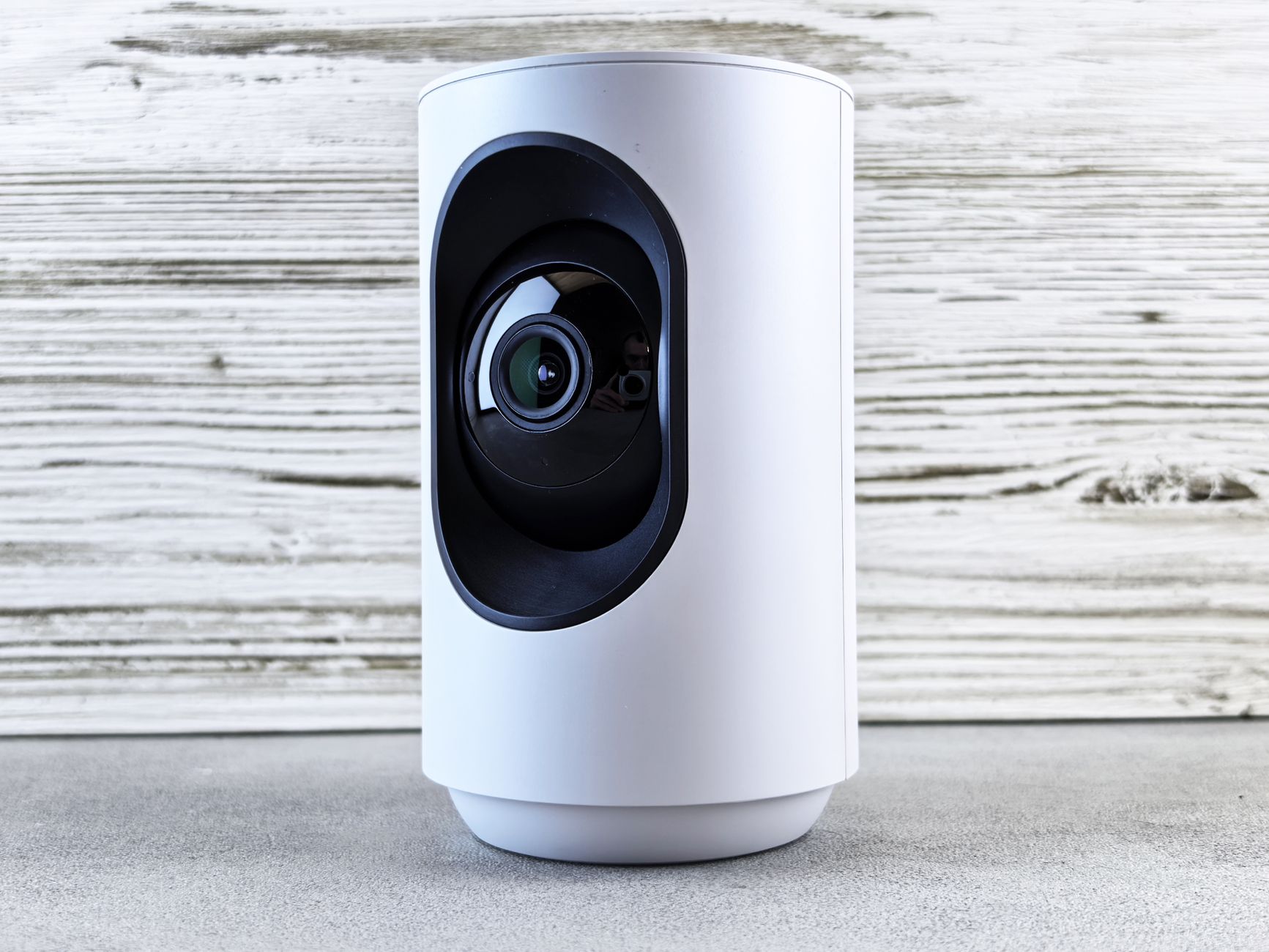
Stylish white home security camera placed on a wooden surface for indoor surveillance.Photo: Andrey Matveev / Pexels

Compare Smart Home Security Systems: Your Ultimate Guide

Unlock peace of mind by comparing top smart home security systems to safeguard your sanctuary effectively.

Find Your Perfect System

Key Takeaways

  • ✓ Over 60% of U.S. homes now use some form of smart home technology.
  • ✓ Professional monitoring can reduce homeowners insurance premiums by up to 20%.
  • ✓ DIY smart security systems offer flexibility and often lower upfront costs.
  • ✓ Integration with other smart home devices significantly enhances convenience and security.

How It Works

1
Assess Your Needs

Determine what level of security you require, considering your property type, valuable assets, and daily routines. Identify key areas for monitoring, such as entry points, common areas, and outdoor spaces.

2
Research Top Systems

Explore leading smart home security providers, focusing on their core features, equipment offerings, and monitoring plans. Look for systems that align with your budget and desired level of technical involvement.

3
Compare Features & Costs

Systematically evaluate different systems based on crucial criteria like camera quality, sensor types, smart home compatibility, and subscription fees. Understand the long-term financial commitment involved with each option.

4
Make an Informed Decision

Select the smart home security system that best meets your specific requirements and budget after thorough comparison. Prioritize systems that offer reliable performance, user-friendly interfaces, and excellent customer support.

Understanding Smart Home Security System Basics

The landscape of home security has dramatically evolved from simple alarm systems to sophisticated, interconnected smart home ecosystems. Today, when you compare smart home security systems, you're not just looking at motion sensors and sirens; you're evaluating integrated platforms that can control everything from your lights to your locks, all from your smartphone. At its core, a smart home security system is a network of devices designed to protect your property and alert you to potential threats. This network typically includes a central hub or control panel, various sensors (door/window, motion, glass break), cameras (indoor, outdoor, doorbell), and often smart locks or smart lighting. The 'smart' aspect comes from the system's ability to connect to the internet, allowing for remote monitoring, control, and integration with other smart devices. This connectivity means you can receive real-time alerts on your phone, view live camera feeds from anywhere, and arm or disarm your system with a tap. One of the primary advantages of these systems is their proactive nature. Beyond simply reacting to an intrusion, many smart security systems offer features like intelligent motion detection that can differentiate between pets and people, or even facial recognition for enhanced access control. Environmental sensors, detecting smoke, carbon monoxide, or water leaks, are also frequently integrated, providing a comprehensive safety net beyond just theft deterrence. The choice between a professionally installed and monitored system versus a DIY (Do-It-Yourself) setup is a critical initial decision. Professional systems often come with higher upfront costs and monthly fees but provide 24/7 monitoring by trained personnel who can dispatch emergency services on your behalf. DIY systems, on the other hand, offer more flexibility and typically lower ongoing costs, putting the responsibility of monitoring and emergency contact squarely on the homeowner. However, many DIY systems now offer optional professional monitoring plans, blending the best of both worlds. Understanding these fundamental components and operational models is the first step in making an informed decision when you explore smart home technology for your security needs. The goal is to find a system that not only deters crime but also provides peace of mind through convenience and comprehensive protection, tailored to your specific lifestyle and property.

Key Features to Compare in Smart Home Security Systems

When you set out to compare smart home security systems, delving into their specific features is paramount. Not all systems are created equal, and what might be a crucial feature for one homeowner could be an unnecessary add-on for another. Let's break down the essential features you should scrutinize. First, consider the types of sensors offered. Beyond standard door and window sensors, look for motion detectors with pet immunity, glass break sensors, and even tilt sensors for garage doors. Environmental sensors for smoke, carbon monoxide, and water leaks are also increasingly common and can add significant value to your overall home safety. The quality and variety of cameras are another major differentiator. Do they offer 1080p or 4K resolution? Is there a wide-angle lens? What about night vision – is it infrared or color night vision? Two-way audio, crucial for doorbell cameras and indoor monitoring, allows you to communicate with visitors or deter intruders. Cloud storage for video footage is also a key consideration; examine storage duration, accessibility, and associated costs. Some systems offer local storage options via an SD card or network-attached storage (NAS), which can be appealing for privacy-conscious users or those looking to avoid recurring cloud fees. Next, evaluate smart home integration capabilities. A truly 'smart' security system should ideally integrate seamlessly with popular smart home platforms like Amazon Alexa, Google Assistant, Apple HomeKit, or Samsung SmartThings. This allows for voice control, automation routines (e.g., lights turn on if a motion sensor is triggered), and a unified control interface for all your smart devices. Look for Z-Wave or Zigbee compatibility, which are common protocols for smart home devices, expanding your options for future additions. The user interface and mobile app experience are also critical. Is the app intuitive and easy to navigate? Does it offer robust control over all system components and provide clear, actionable alerts? Finally, consider the monitoring options. While some prefer self-monitoring to save on monthly fees, many appreciate the peace of mind offered by professional monitoring services. These services typically involve a central station that receives alerts and can dispatch emergency services if needed. Understand the response times, contract lengths, and cancellation policies associated with professional monitoring plans. Some systems offer flexible month-to-month plans, while others require multi-year commitments. By meticulously comparing these features, you can ensure the system you choose aligns perfectly with your security needs and smart home aspirations, providing both protection and convenience.

Top Contenders: A Detailed Look at Leading Smart Home Security Systems

When it's time to truly compare smart home security systems, several brands consistently rise to the top, each with its unique strengths and target audience. Understanding these differences is crucial for making an informed decision. **Simplisafe** is often lauded for its DIY-friendliness and straightforward, affordable professional monitoring. Their systems are easy to install, making them a popular choice for renters or those who prefer not to deal with complex wiring. Simplisafe offers a comprehensive range of sensors, including entry, motion, glass break, and environmental detectors. Their camera options, while functional, are generally less advanced than some competitors, but they get the job done for basic monitoring. The mobile app is intuitive, and their professional monitoring plans are flexible, often without long-term contracts. This makes Simplisafe a strong contender for those seeking a reliable, no-frills security system that prioritizes ease of use and affordability. **Ring Alarm**, backed by Amazon, excels in its integration with the broader Ring ecosystem, which includes some of the most popular video doorbells and security cameras on the market. If you already own Ring devices, adding a Ring Alarm system creates a seamless, interconnected security network. Installation is largely DIY, and the system offers a solid array of sensors and a user-friendly app. Ring's professional monitoring plan, known as Ring Protect Plus, is competitively priced and includes cellular backup and extended warranties. Its main draw is the deep integration with Alexa, allowing for voice control and advanced automation routines. **ADT**, a long-standing name in home security, offers robust, professionally installed and monitored systems. While often more expensive with longer contract commitments, ADT provides a premium service with highly reliable equipment, 24/7 professional monitoring, and often quicker emergency response times. They offer a wide range of devices, including advanced cameras and smart home integrations through their Command & Control platform. ADT is ideal for homeowners who prioritize professional installation, comprehensive support, and are willing to invest more for a top-tier, hands-off security experience. **Arlo** focuses heavily on its advanced wire-free camera systems, which are renowned for their high-resolution video, excellent night vision, and smart detection features. While Arlo primarily offers cameras, their integration with other smart home devices and optional professional monitoring makes them a strong contender for those whose primary concern is video surveillance. Their cameras are often more expensive upfront, but their performance justifies the cost for many. Arlo is best for those prioritizing cutting-edge camera technology and flexibility in building their security system around robust video monitoring. **Vivint** stands out for its high-tech, integrated smart home experience. Vivint systems are professionally installed and offer a wide array of smart devices, including smart locks, thermostats, and lighting, all controllable from a single intuitive panel and app. Their cameras boast AI-powered analytics, like package detection and person detection. While Vivint typically involves higher costs and contract commitments, it's an excellent choice for homeowners looking for a fully integrated, premium smart home and security solution with professional installation and monitoring. When you compare smart home devices, remember that the 'best' system is subjective. It depends on your budget, your technical comfort level, your existing smart home ecosystem, and your specific security priorities. Whether you lean towards DIY flexibility or professional white-glove service, there's a leading system designed to meet your needs.

Choosing Your Ideal System: Tips and Common Mistakes to Avoid

Navigating the myriad options when you compare smart home security systems can be daunting, but a strategic approach can simplify the process. Here are some crucial tips and common pitfalls to avoid: **Tips for Choosing:** * **Prioritize Your Needs:** Before looking at systems, list your top priorities. Is it deterring burglars, monitoring children, detecting environmental hazards, or automating your home? Your primary goal will narrow down your choices considerably. * **Consider Your Property:** A small apartment will have different security needs than a multi-story house with a large yard. Map out entry points, vulnerable windows, and areas where cameras would be most effective. * **Evaluate Installation Preferences:** Do you prefer a DIY setup for cost savings and flexibility, or do you want the peace of mind of professional installation and ongoing support? This choice significantly impacts system options. * **Budget Wisely:** Account for both upfront equipment costs and ongoing monthly monitoring fees. Some systems have low upfront costs but higher monthly fees, and vice versa. Read the fine print on contracts. * **Check for Compatibility:** If you already have smart home devices (like smart speakers, thermostats, or lighting), ensure your chosen security system can integrate with them for a unified experience. * **Read Reviews and Testimonials:** Look beyond manufacturer claims. Real-world user reviews can highlight system reliability, customer service quality, and common frustrations. **Common Mistakes to Avoid:** * **Underestimating Connectivity Needs:** A reliable internet connection is paramount. Ensure your Wi-Fi signal is strong throughout your property, especially where sensors and cameras will be placed. Consider systems with cellular backup. * **Ignoring Privacy Concerns:** Be mindful of where you place cameras, especially indoors. Understand how your video footage is stored (cloud vs. local) and who has access to it. Read the privacy policy of the provider. * **Overlooking Scalability:** Your security needs might change. Choose a system that allows you to easily add more sensors, cameras, or smart devices in the future without having to replace the entire system. * **Forgetting About Battery Life:** For wireless sensors and cameras, battery life is a significant factor. Understand replacement schedules and costs. Some systems offer rechargeable batteries, which can be more convenient. * **Skipping Customer Support Research:** When something goes wrong, good customer support is invaluable. Look for providers with strong reputations for responsiveness and technical assistance. * **Not Testing the System:** Once installed, thoroughly test every sensor, camera, and alarm. Familiarize yourself with the app and emergency protocols. Don't wait for an actual incident to discover a flaw. By following these tips and avoiding common missteps, you can confidently compare smart home security systems and select a solution that provides robust protection and lasting peace of mind for your home.

Comparison

FeatureSimplisafe (Best DIY)ADT (Best Pro-Installed)Ring Alarm (Best Value)
InstallationDIYProfessionalDIY
Monitoring OptionsSelf/Pro (flexible)Professional (contract)Self/Pro (affordable)
Smart Home IntegrationLimited (Alexa/Google)Extensive (ADT Command)Good (Alexa/Ring ecosystem)
Camera QualityGood (1080p)Excellent (HD, AI features)Good (HD)
Contract LengthNo contract req.1-3+ YearsNo contract req.
Starting Equipment Cost$200-$500+$599-$1000+$200-$350+
Monthly Monitoring (Pro)$18-$30$40-$60+$10-$20
App User ExperienceIntuitiveFeature-richUser-friendly
Environmental Sensors

What Our Readers Say

5 ★★★★★

"I spent weeks trying to compare smart home security systems. Simplisafe was the perfect DIY solution for our apartment. Easy setup, and the monitoring is affordable and reliable, giving us such peace of mind."

5 ★★★★★

"After researching many options, we chose ADT for our new home. The professional installation was flawless, and their customer service is top-notch. It feels incredibly secure, and the smart home integration is a huge bonus."

5 ★★★★★

"We already had Ring doorbells, so when it came time to compare smart home security systems, Ring Alarm was the obvious choice. The integration is seamless, and we've already deterred a package thief thanks to the alerts."

4 ★★★★☆

"Vivint offers a truly premium experience, though it's definitely an investment. The smart home features are fantastic, but the long contract was a bit of a hurdle. Still, the peace of mind is worth it for us."

5 ★★★★★

"As a first-time homeowner, the task to compare smart home security systems was overwhelming. Arlo's cameras are incredible, and while I self-monitor, the system is reliable and the app is very user-friendly."

Frequently Asked Questions

What's the main difference between DIY and professionally installed security systems?
DIY systems are typically homeowner-installed and often self-monitored or offer optional professional monitoring with flexible terms. Professionally installed systems are set up by experts, usually come with mandatory professional monitoring, and often involve longer contracts but provide comprehensive support.
Are smart home security systems susceptible to hacking?
While no system is 100% hack-proof, reputable smart home security systems employ strong encryption and security protocols to protect your data. Using strong, unique passwords and enabling two-factor authentication significantly reduces risks. Regular software updates also patch potential vulnerabilities.
How do I ensure my smart security cameras don't invade my privacy?
Carefully consider camera placement, especially indoors, to avoid monitoring private areas. Utilize privacy modes or schedules that disable cameras when you're home. Always choose systems from trusted brands with transparent privacy policies and secure cloud storage options, or consider local storage.
Is professional monitoring worth the extra monthly cost?
For many, professional monitoring offers invaluable peace of mind. It means trained operators respond to alarms, verify threats, and dispatch emergency services, even if you're unreachable. This can be crucial in real emergencies and may even lower your home insurance premiums.
How do smart home security systems compare to traditional alarm systems?
Smart home security systems offer significantly more features than traditional alarm systems, including remote access, video surveillance, smart home integration (lights, locks, thermostats), and advanced analytics. Traditional systems primarily focus on intrusion detection and audible alarms.
Who should consider a smart home security system?
Anyone looking for enhanced home protection, remote monitoring capabilities, and the convenience of integrating security with other smart home devices. They are beneficial for homeowners, renters, those with valuable assets, or individuals frequently away from home.
What happens if my internet goes out with a smart security system?
Many smart security systems offer cellular backup, which allows the system to communicate with the monitoring center (or your phone for self-monitoring) even if your internet is down. This feature is often included with professional monitoring plans or available as an add-on.
What are future trends in smart home security?
Future trends include more advanced AI and machine learning for better threat detection (e.g., recognizing specific individuals, predicting activity), tighter integration with community safety networks, drone surveillance for outdoor areas, and even more sophisticated biometric authentication methods.

Ready to secure your home with confidence? Use this guide to compare smart home security systems and find the perfect match for your lifestyle and needs. Invest in peace of mind today.

Topics: compare smart home security systemsbest home security systemsDIY security systemsprofessional monitoringsmart home integration
Leo List
Brampton weed
Adultwork