✓ Smart home market projected to exceed $200 billion by 2027.
✓ Energy management devices can save up to 15% on utility bills.
✓ Voice assistants are the most common smart home interface.
✓ Interoperability and privacy are key concerns for 2024 smart home users.
How It Works
1
Identify Your Needs
Determine which aspects of your home you want to automate or enhance. Consider security, energy savings, convenience, or entertainment.
2
Choose Your Ecosystem
Select a primary platform (e.g., Apple HomeKit, Google Home, Amazon Alexa) that will serve as the hub for your devices. Ensure compatibility across chosen products.
3
Select Top Devices
Based on your needs and ecosystem, research and choose high-rated smart devices. Prioritize reliability, ease of use, and security features.
4
Install and Automate
Follow manufacturer instructions for installation and integration. Begin setting up routines and automations to experience seamless smart home living.
Elevating Home Security with Smart Devices in 2024
Photo: Giant Asparagus / Pexels
In an increasingly connected world, securing your home has never been more sophisticated or accessible. The best smart home devices 2024 offer unparalleled peace of mind through advanced security features that go far beyond traditional alarm systems. We're talking about integrated ecosystems that allow you to monitor, protect, and even respond to potential threats from anywhere in the world. Smart security cameras, for instance, have evolved significantly. Modern models boast features like 4K resolution, color night vision, AI-powered person detection, and even two-way audio, enabling you to communicate with visitors or deter intruders. Brands like Arlo and Ring continue to innovate in this space, offering wire-free options, solar charging, and cloud storage for video footage. The ability to receive instant notifications on your smartphone when motion is detected, or a package is left at your door, provides a critical layer of awareness that was once the exclusive domain of professional security firms.
Beyond cameras, smart doorbells have become a staple in many homes, combining video surveillance with convenient access control. Imagine being able to see who's at your door, speak to them, and even unlock the door for a trusted visitor, all from your phone, whether you're upstairs or across the globe. Products like the Google Nest Doorbell and Ring Video Doorbell Pro 2 exemplify this blend of security and convenience. They often integrate seamlessly with smart locks, which are another cornerstone of modern home security. Smart locks allow keyless entry via passcodes, fingerprint scans, or even your smartphone, eliminating the risk of lost keys and providing a detailed log of who enters and exits your home. Brands like August and Yale offer robust smart lock solutions that can be easily installed and managed, often integrating with popular smart home platforms for a unified security experience. The ability to grant temporary access to a dog walker or service provider, then revoke it instantly, adds an unprecedented level of control.
Furthermore, smart sensors play a crucial role in comprehensive home security. Door and window sensors can alert you to unauthorized entry, while motion sensors can detect movement in specific areas of your home. Even smart smoke and carbon monoxide detectors, such as those offered by Nest Protect, go beyond simple alarms by sending alerts to your phone and even communicating with other smart devices to turn off HVAC systems in case of a fire. Integrating these disparate devices into a single, cohesive smart home security system is where the real power lies. Through a central hub or app, you can arm or disarm your system, view live camera feeds, check lock statuses, and receive alerts, creating a truly intelligent shield for your home. When considering the best smart home devices 2024 for security, look for products that offer strong encryption, reliable connectivity, and a user-friendly interface to ensure maximum protection and ease of use. Exploring advanced home automation systems can provide further insights into creating a truly fortified and intelligent living space.
Maximizing Convenience and Efficiency with Smart Home Tech
Photo: HUUM │sauna heaters / Pexels
The promise of the smart home isn't just about security; it's profoundly about enhancing daily convenience and boosting energy efficiency. The best smart home devices 2024 are designed to streamline your routines, automate mundane tasks, and give you greater control over your environment, often leading to significant savings on utility bills. Smart lighting systems, for example, have moved beyond simple on/off control. Philips Hue, Govee, and Nanoleaf offer dynamic lighting solutions that allow you to adjust brightness, color, and even set schedules to mimic natural light cycles or create specific ambiances. Imagine your lights gently waking you up in the morning, dimming automatically as you settle in for a movie, or turning off when you leave the house – all without lifting a finger. These systems not only add a layer of personalization and comfort but can also contribute to energy savings by ensuring lights are only on when and where they're needed. The ability to control lights remotely, or via voice commands, adds an undeniable layer of convenience to everyday living.
Smart thermostats are another cornerstone of an efficient and convenient smart home. Devices like the Ecobee SmartThermostat and Google Nest Learning Thermostat learn your preferences over time, adjusting temperatures to optimize comfort and energy use. They can detect when you're home or away, integrate with weather forecasts, and even communicate with other smart devices like ceiling fans or window blinds to maintain an ideal climate. The ability to program schedules, receive energy usage reports, and control your home's climate from your smartphone means you're never heating or cooling an empty house, leading to substantial reductions in energy consumption and costs. Beyond just heating and cooling, smart plugs and power strips allow you to turn almost any 'dumb' appliance into a smart one. Plug in your coffee maker, a floor lamp, or a fan, and suddenly you can control it with your voice or a schedule, adding immense flexibility and automation to your home without replacing every appliance. This cost-effective solution is perfect for incrementally expanding your smart home capabilities.
Voice assistants, embodied in smart speakers and displays like the Amazon Echo Show and Google Nest Hub, act as the central command centers for many smart homes. They allow you to control all your connected devices with simple voice commands, set timers, play music, get news updates, and even make calls. Their integration with a vast array of third-party devices makes them indispensable for orchestrating complex routines and automations. For instance, a simple command like "Good morning" could simultaneously turn on your lights, start your coffee maker, and read out your daily schedule. This level of seamless interaction truly defines the modern smart home experience. Furthermore, smart kitchen appliances, from refrigerators that track inventory to ovens that can be preheated remotely, are slowly gaining traction, promising to revolutionize how we cook and manage our food. The continuous evolution of these devices in the best smart home devices 2024 market underscores a future where our homes are not just structures, but intelligent partners in our daily lives, tirelessly working to make things easier and more efficient. Look for devices that offer robust app control, integration with major voice assistants, and clear energy-saving metrics to truly maximize your investment.
Building a Seamless Ecosystem: Connectivity and Integration
The true power of the best smart home devices 2024 doesn't lie in individual gadgets, but in how seamlessly they connect and interact to form a cohesive ecosystem. A fragmented smart home, where devices don't communicate, can be more frustrating than helpful. Therefore, understanding connectivity standards and integration platforms is paramount for anyone looking to build an efficient and future-proof smart living space. The primary communication protocols in smart homes include Wi-Fi, Bluetooth, Zigbee, and Z-Wave. Wi-Fi is ubiquitous, allowing direct connection to your home network, making it ideal for devices that require high bandwidth, like security cameras or streaming devices. However, it can drain battery life and may clutter your network with too many devices. Bluetooth is great for short-range, direct connections, often used for device setup or controlling accessories within a single room. Zigbee and Z-Wave are mesh networking protocols specifically designed for smart home devices, offering lower power consumption, greater range through device-to-device communication, and high reliability for sensors, locks, and lighting. Many modern smart hubs act as bridges, translating between these different protocols to allow disparate devices to work together.
Integration platforms like Amazon Alexa, Google Home, and Apple HomeKit serve as the central nervous system for your smart home. They provide a unified interface through which you can control and automate devices from various manufacturers. For example, a Philips Hue light (Zigbee) and a Ring doorbell (Wi-Fi) can both be controlled via Alexa, allowing you to create routines where pressing your doorbell triggers your lights to flash. Choosing a primary platform early on can significantly simplify your smart home journey. Each platform has its strengths: Alexa boasts the broadest device compatibility, Google Home excels with its AI and integration with Google services, and HomeKit offers strong privacy features and deep integration with the Apple ecosystem. Understanding which platform best suits your existing tech landscape and preferences is crucial. Moreover, the emergence of Matter, a new industry-wide standard, promises to revolutionize interoperability. Matter aims to create a universal language for smart devices, allowing them to work together seamlessly regardless of brand or underlying protocol. This means less worrying about compatibility issues and a more straightforward setup process for consumers, making the best smart home devices 2024 even more accessible.
Beyond basic control, these platforms enable powerful automation and routines. You can set up scenarios where your smart blinds close at sunset, your thermostat adjusts when you leave for work, or your smart speaker plays a specific playlist when you arrive home. These automations are where the true intelligence of a smart home shines, turning a collection of devices into a truly responsive and proactive environment. When selecting smart home products, always check for compatibility with your chosen ecosystem and look for products that support open standards like Matter or at least have strong integration with major platforms. This foresight ensures your investment in smart home technology will continue to serve you well as your system grows and evolves. Learning about smart home setup guides can further assist in creating a perfectly integrated smart home.
Smart Home Buying Tips & Common Mistakes to Avoid
Navigating the vast landscape of smart home devices can be daunting, but with the right approach, you can build a system that truly enhances your life. Here are some essential buying tips and common mistakes to avoid when investing in the best smart home devices 2024:
**Buying Tips for a Smarter Home:**
* **Start Small and Scale Up:** Don't try to automate your entire home overnight. Begin with one or two key areas, like smart lighting or a smart thermostat, and expand as you become more comfortable and understand your needs.
* **Prioritize Compatibility:** Before purchasing, always check if a device is compatible with your chosen smart home ecosystem (e.g., Alexa, Google Home, HomeKit) and other devices you already own or plan to buy. Look for Matter certification for future-proofing.
* **Read Reviews and Research:** Not all smart devices are created equal. Look for reputable brands and read independent reviews focusing on reliability, ease of use, and long-term support.
* **Consider Your Internet Connection:** A robust and stable Wi-Fi network is crucial for a responsive smart home. Ensure your router can handle multiple connected devices, and consider mesh Wi-Fi systems for larger homes.
* **Evaluate Security and Privacy:** Choose devices from manufacturers with a strong track record of security updates and clear privacy policies. Understand what data your devices collect and how it's used.
* **Assess Installation Requirements:** Some devices are plug-and-play, while others may require professional installation or more complex wiring. Be realistic about your DIY capabilities.
**Common Mistakes to Avoid:**
* **Ignoring Interoperability:** Purchasing devices from different ecosystems that don't communicate can lead to a fragmented and frustrating experience. Stick to a primary platform or ensure cross-platform compatibility.
* **Overlooking Network Demands:** A slow or overloaded Wi-Fi network can cripple your smart home. Don't underestimate the need for a strong, reliable internet connection and adequate router capacity.
* **Neglecting Firmware Updates:** Smart devices, like smartphones, require regular firmware updates for security patches and new features. Skipping these can leave your system vulnerable or prevent optimal performance.
* **Forgetting About Power:** Some devices are battery-powered, while others require constant power. Consider battery life, replacement costs, and whether you have accessible power outlets for all your devices.
* **Not Planning for Automation:** Simply having smart devices isn't enough. The real magic happens with automations and routines. Take the time to set these up to maximize convenience and efficiency.
* **Underestimating Learning Curve:** While many devices are user-friendly, there's often a slight learning curve. Be patient and explore the features and settings to get the most out of your smart home investment.
Future-Proofing Your Home: Emerging Trends in Smart Technology
The landscape of smart home technology is constantly evolving, with new innovations emerging at a rapid pace. To truly invest in the best smart home devices 2024, it's wise to consider not just what's available today, but also the trends shaping tomorrow's connected living. One of the most significant trends is the continued advancement in Artificial Intelligence (AI) and Machine Learning (ML). These technologies are making smart devices more proactive and intuitive. Instead of just responding to commands, future smart homes will anticipate your needs, learning your habits and preferences to adjust lighting, temperature, and even music before you explicitly ask. Imagine a home that knows you're about to arrive and pre-cools itself, or one that detects your mood and adjusts ambiance accordingly. This predictive intelligence will move beyond simple routines to truly personalized experiences, making smart homes feel less like technology and more like an extension of yourself.
Another major development is the increasing focus on health and wellness within the smart home. We're seeing a rise in devices designed to monitor air quality, track sleep patterns, and even provide gentle reminders for hydration or exercise. Smart air purifiers that automatically detect pollutants and adjust fan speeds, smart beds that track sleep metrics and offer personalized comfort, and even smart mirrors that provide health insights are becoming more sophisticated. This integration of health monitoring into the home environment promises to create living spaces that actively contribute to our well-being, moving beyond mere convenience to genuine lifestyle enhancement. The data collected by these devices, when handled securely and privately, can offer invaluable insights into maintaining a healthier life, all within the comfort of your home.
Furthermore, sustainability and energy conservation are driving significant innovation. As energy costs rise and environmental concerns grow, smart homes are poised to play a crucial role in reducing our ecological footprint. Beyond smart thermostats, we're seeing smart appliances that optimize energy consumption, smart windows that automatically tint to reduce solar gain, and even smart irrigation systems that tailor watering schedules based on hyper-local weather data. The integration of renewable energy sources, like solar panels, with smart home energy management systems will become more common, allowing homeowners to monitor and optimize their energy production and consumption in real-time. This holistic approach to energy management will not only save money but also contribute to a greener planet, making smart home technology a key player in the global sustainability effort.
Finally, enhanced privacy and security measures will remain a top priority. As more devices connect to our networks and collect personal data, the demand for robust encryption, secure protocols, and transparent data handling policies will intensify. Manufacturers of the best smart home devices 2024 are already responding by implementing stronger authentication methods, local processing of data where possible, and offering greater user control over data sharing. The advent of standards like Matter is also a step towards creating a more secure and reliable ecosystem, reducing vulnerabilities and ensuring that your smart home remains a private sanctuary. Keeping an eye on these emerging trends will ensure your smart home investment remains cutting-edge and relevant for years to come.
Comparison
Feature
Best Overall (e.g., Google Nest Hub Max)
Budget Pick (e.g., Amazon Echo Dot)
Privacy-Focused (e.g., Apple HomePod Mini)
Voice Assistant
Google Assistant
Alexa
Siri
Display
10-inch Touchscreen
No Display
No Display
Smart Home Hub
Built-in Hub (Thread/Zigbee)
Limited (Alexa Ecosystem)
Built-in Hub (Thread)
Camera
✓ (Nest Cam)
✗
✗
Sound Quality
Good
Basic
Excellent
Privacy Features
Good (Privacy switch)
Standard (Mic off button)
Excellent (Local Processing)
Price Range
$229
$49
$99
What Readers Say
★★★★★
"The smart thermostat I bought from the best smart home devices 2024 list has completely changed my energy habits. My bills are noticeably lower, and it's so convenient to adjust the temperature from my phone before I even get home. Highly recommend!"
Sarah J. · Austin, TX
★★★★★
"Integrated my new smart security camera with my existing Alexa setup, and it was seamless. The peace of mind knowing I can check on my home anytime is invaluable. These truly are some of the best smart home devices 2024 has to offer."
Mark D. · Seattle, WA
★★★★★
"My smart lighting system creates the perfect ambiance for every occasion. From bright work lighting to cozy evening hues, it's effortlessly controlled by voice. It transformed my living room into a dynamic space, a fantastic addition from the best smart home devices 2024 guide."
Emily R. · Miami, FL
★★★★★
"While the smart lock was a bit tricky to install, the convenience of keyless entry and guest access is fantastic. I wish the battery life was a little longer, but overall, it's a solid upgrade to my home security based on recommendations for best smart home devices 2024."
David L. · Chicago, IL
★★★★★
"As a busy mom, the smart plugs have been a game-changer. I can schedule my kids' lamps to turn off automatically and even turn on the fan remotely. Simple, effective, and makes daily life so much easier. Definitely among the best smart home devices 2024."
Jessica M. · Denver, CO
Frequently Asked Questions
What are the most essential best smart home devices 2024 for a beginner?
For beginners, the most essential smart home devices typically include a smart speaker (like Amazon Echo or Google Nest Mini) to act as a central hub, smart lights (such as Philips Hue or Wyze bulbs), and a smart thermostat (like Nest or Ecobee). These devices offer significant convenience and energy savings with relatively easy setup, providing a great foundation for expanding your smart home later.
Are smart home devices secure against hacking?
While no system is entirely hack-proof, reputable smart home device manufacturers prioritize security. They employ encryption, frequent software updates to patch vulnerabilities, and offer features like two-factor authentication. Users can enhance security by using strong, unique passwords, enabling all available security features, and keeping their device firmware up to date. Choosing brands with strong privacy policies is also crucial.
How do I ensure my smart home devices are compatible with each other?
To ensure compatibility, it's best to choose devices that support the same smart home ecosystem (e.g., Amazon Alexa, Google Home, Apple HomeKit) or that are compatible with the new Matter standard. Many devices list their compatible platforms on their packaging or product pages. You can also look for devices that use common communication protocols like Zigbee or Z-Wave, and then connect them through a universal hub that supports these protocols.
What is the average cost of setting up a basic smart home?
The cost of setting up a basic smart home can vary widely depending on the devices chosen. A basic setup including a smart speaker, a few smart bulbs, and a smart plug might range from $150 to $300. Adding a smart thermostat or a security camera could push the total to $400-$700. High-end systems with multiple devices, professional installation, and advanced features can easily exceed $1000. It's an investment that can be built upon gradually.
Can smart home devices save me money on utilities?
Yes, smart home devices, particularly smart thermostats and smart lighting systems, can significantly save money on utility bills. Smart thermostats learn your preferences and optimize heating/cooling, often allowing remote control to prevent energy waste. Smart lights can be scheduled, dimmed, or turned off automatically when not needed. Energy monitoring smart plugs can also help identify and reduce 'vampire' power draw from appliances.
Who benefits most from adopting the best smart home devices 2024?
Anyone looking to enhance convenience, security, or energy efficiency in their home can benefit. Tech enthusiasts will appreciate the innovation, while busy professionals can automate daily tasks. Families can improve safety and manage home environments more easily. Elderly or individuals with mobility challenges can gain greater independence and control over their living spaces. Ultimately, smart home tech offers advantages across diverse demographics.
Are there any privacy concerns with smart home devices?
Privacy is a valid concern with smart home devices, as many collect data about your habits, voice commands, and even video. Reputable manufacturers address this with strong encryption and transparent data policies. Users should review privacy settings, understand what data is collected, and utilize features like microphone mute buttons or camera shutters. Opting for devices that process data locally rather than in the cloud can also enhance privacy.
What are the future trends for the best smart home devices 2024 and beyond?
Future trends for smart home devices include deeper integration with AI for more predictive and personalized automation, increased focus on health and wellness monitoring (e.g., air quality, sleep tracking), and greater emphasis on sustainability and energy management. The widespread adoption of the Matter standard will also lead to more seamless interoperability across brands, simplifying setup and expanding possibilities for interconnected smart homes.
Ready to transform your living space? Explore our comprehensive guide to the best smart home devices 2024 and start building the intelligent, efficient, and secure home you've always dreamed of. Embrace the future of home automation today.

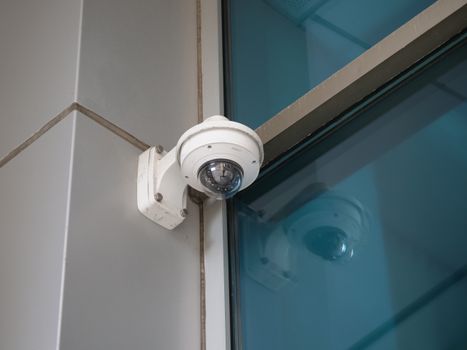 Photo: Giant Asparagus / Pexels
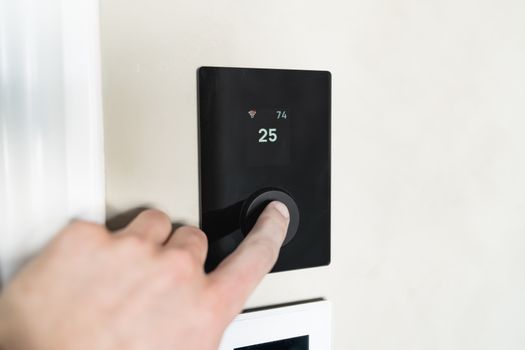 Photo: HUUM │sauna heaters / Pexels