Discover the Best Budget Laptops Under $500 for Every Need
best budget laptops under $500

Discover the Best Budget Laptops Under $500 for Every Need

Unlock incredible value and reliable performance without breaking the bank with our expert guide to affordable laptops.

Find Your Perfect Laptop Now

Key Takeaways

  • ✓ You don't need to spend a fortune for a capable laptop.
  • ✓ Chromebooks offer exceptional value for basic tasks.
  • ✓ Refurbished models can provide significant savings on higher-end specs.
  • ✓ Prioritize RAM and storage for smoother performance within budget.

How It Works

1
Define Your Needs

Before buying, identify your primary use cases: web browsing, document creation, streaming, or light gaming. This helps narrow down essential specifications.

2
Understand Key Specs

Learn about processors (CPU), RAM, storage types (SSD vs. HDD), and operating systems (Windows, Chrome OS) to make an informed decision. These components dictate performance.

3
Research Top Models

Consult expert reviews and user feedback for models consistently praised within the under-$500 category. Look for models offering the best balance of features and reliability.

4
Compare Deals & Buy

Once you have a shortlist, compare prices from various retailers and look for sales or refurbished options. Make your purchase from a reputable vendor with a good return policy.

Navigating the Landscape of Affordable Laptops

Focused close-up of hands typing on a laptop keyboard, showcasing digital work and technology. Photo: Yuri Adriel / Pexels
In today's fast-paced digital world, a reliable laptop is no longer a luxury but a necessity for most people. Whether you're a student tackling assignments, a professional needing to stay connected, or simply looking for a device to browse the web and stream your favorite shows, the idea of spending a fortune on a new computer can be daunting. Thankfully, the market for budget-friendly devices has exploded, offering an impressive array of options that deliver surprising performance without draining your wallet. Finding the best budget laptops under $500 requires a keen eye and an understanding of what truly matters in this price bracket. It’s a common misconception that affordability equates to compromise in every aspect. While you won't find cutting-edge gaming machines or workstations capable of intensive video editing, you can absolutely discover highly capable devices perfectly suited for everyday tasks, productivity, and entertainment. The key is to set realistic expectations and know which specifications to prioritize for your specific needs. When exploring the sub-$500 laptop segment, you'll primarily encounter two main operating systems: Windows and Chrome OS. Windows laptops offer the broadest software compatibility, making them ideal for users who need specific desktop applications like Microsoft Office suites, various professional tools, or even light photo editing software. They come in diverse form factors, from traditional clamshells to versatile 2-in-1 convertibles. On the other hand, Chromebooks, running Google's Chrome OS, are known for their simplicity, speed, and robust security features. They excel at web-based tasks, cloud storage, and Android app compatibility, making them perfect for students, casual users, and anyone who lives primarily within a browser. They often boast longer battery life and faster boot times due to their lightweight operating system, and often come at a very attractive price point. Understanding the fundamental differences between these two ecosystems is your first step towards making an informed decision. Furthermore, you'll encounter various processor types (Intel Celeron, Pentium, Core i3, AMD Ryzen 3), different amounts of RAM (typically 4GB or 8GB), and storage solutions (eMMC, SSD). We'll delve into these specifics to help you discern which combination offers the optimal balance of speed, efficiency, and storage for your budget. The goal here is to empower you to make a smart purchase, ensuring you get the most bang for your buck. For more insights into optimizing your tech purchases, check out our guide on smart tech spending.

Top Contenders: Features That Define Value in Budget Laptops
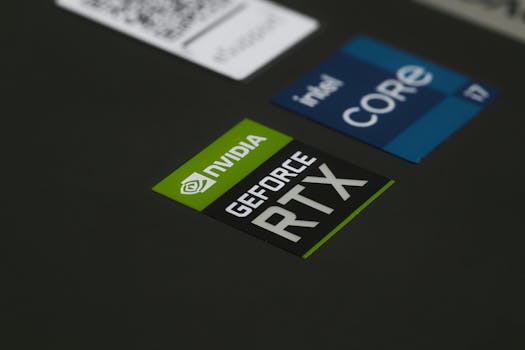
Close-up of NVIDIA GeForce RTX and Intel Core i7 stickers on a laptop surface, showcasing modern technology. Photo: Ruben Boekeloo / Pexels
When evaluating the best budget laptops under $500, certain features stand out as critical indicators of value and performance. It’s not just about the lowest price; it's about the optimal combination of components that deliver a smooth and reliable user experience for your intended purposes. Let's break down the key specifications you should scrutinize. Firstly, the **Processor (CPU)** is the brain of your laptop. In the under-$500 category, you'll typically find Intel Celeron, Pentium, Core i3, or AMD Ryzen 3 processors. For basic tasks like web browsing, email, and word processing, Celeron and Pentium chips are adequate, especially in Chromebooks. However, if you plan on multitasking, running more demanding applications, or doing light productivity work, an Intel Core i3 or AMD Ryzen 3 will offer a significantly snappier experience. These processors provide a better balance of power and efficiency, preventing frustrating slowdowns. Don't expect to run demanding games or video editing software smoothly, but for everyday computing, these are solid performers. Next, **RAM (Random Access Memory)** is crucial for multitasking. While 4GB RAM is common in this price range, especially in Chromebooks, 8GB RAM is highly recommended if your budget allows. With 8GB, you can comfortably open multiple browser tabs, run several applications simultaneously, and switch between them without experiencing significant lag. For Windows laptops, 8GB RAM makes a noticeable difference in overall responsiveness. If you stick with 4GB, be prepared to manage your open applications more carefully. **Storage** is another vital component, and here, you'll mostly encounter two types: eMMC and SSD (Solid State Drive). eMMC storage is typically found in the cheapest models and Chromebooks. It's faster than traditional hard drives but slower than SSDs. SSDs, even smaller capacities, offer dramatically faster boot times, application loading, and overall system responsiveness compared to eMMC or HDDs. Aim for an SSD if possible, even if it means a lower storage capacity (e.g., 128GB or 256GB). Cloud storage and external drives can supplement limited internal space. For example, a 128GB SSD is far preferable to a 500GB HDD in terms of performance within this budget. The speed boost an SSD provides truly elevates the user experience. Finally, don't overlook the **Display Quality and Battery Life**. While 1080p (Full HD) displays are becoming more common even in budget laptops, some cheaper models might still feature 720p (HD) screens. A Full HD display offers sharper text and more detailed images, which is easier on the eyes for extended use. Battery life is also paramount for portability. Look for laptops that promise at least 6-8 hours of real-world usage. Chromebooks often excel in this area due to their optimized operating system. Considering these features together will help you identify the true value propositions among the best budget laptops under $500.

Operating Systems and Their Ideal Users

Blurry close-up of a computer screen displaying code with orange lighting. Photo: Daniil Komov / Pexels
When you're searching for the best budget laptops under $500, the choice of operating system (OS) is as important as the hardware specifications. The two dominant players in this price bracket are Windows and Chrome OS, each catering to different user needs and preferences. Understanding their strengths and weaknesses will help you select the platform that best aligns with your daily tasks and workflow. **Windows Laptops** are the traditional choice for many, offering unparalleled versatility and software compatibility. A Windows laptop under $500 typically comes with Windows 10 Home (or occasionally Windows 11 Home). The primary advantage of Windows is its ability to run virtually any desktop application, from full-featured versions of Microsoft Office to specialized software for graphic design, programming, or even legacy programs. If your work or studies require specific software that isn't web-based or available as an Android app, a Windows machine is likely your only option. They also offer a more familiar user interface for those accustomed to desktop computing. However, budget Windows laptops often come with less powerful processors and storage, meaning you might experience slower performance compared to a similarly priced Chromebook. They also tend to have shorter battery lives and can be more susceptible to viruses and malware, necessitating good antivirus software. For users needing a versatile machine for productivity, light creative work, or specific software requirements, a budget Windows laptop is the way to go, provided you manage your expectations regarding raw power and speed. They are excellent for those who need to straddle the line between casual use and more structured tasks. **Chromebooks**, on the other hand, are designed for simplicity, speed, and security. Running Google's Chrome OS, they are essentially web browsers on steroids. Most of what you do on a Chromebook happens in the cloud or through web applications. This makes them incredibly lightweight, both in terms of operating system size and resource consumption, leading to faster boot times, smoother performance with less powerful hardware, and often exceptional battery life. Chromebooks are ideal for students, casual users, and anyone whose primary tasks involve web browsing, email, word processing (Google Docs), streaming media, and social media. They also support Android apps, expanding their functionality considerably. Security is a major selling point, as Chrome OS updates automatically and has built-in protections against malware. The main drawback is their reliance on an internet connection for full functionality and their limited ability to run traditional desktop software. If you're comfortable living in the cloud and your computing needs are primarily web-based, a Chromebook offers incredible value and a frustration-free experience for under $500. They are perfect for those who prioritize ease of use and long battery life. For those interested in optimizing their digital life, exploring cloud computing benefits can be highly beneficial.

Maximizing Your Purchase: Tips and Common Mistakes to Avoid
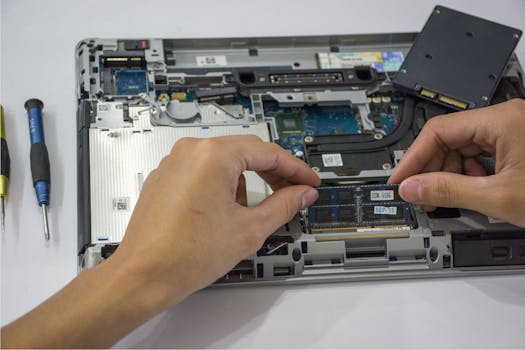
Close-up of a technician assembling a laptop's internal components using tools. Photo: Elias Gamez / Pexels
Securing one of the best budget laptops under $500 is a victory in itself, but truly maximizing your purchase involves more than just picking the right model. It's about smart usage, careful maintenance, and avoiding common pitfalls that can diminish your experience or shorten your laptop's lifespan. Here are some essential tips and mistakes to steer clear of. **Tips for Getting the Most Out of Your Budget Laptop:** * **Prioritize an SSD:** Even if it means less storage, an SSD will drastically improve boot times and overall responsiveness compared to an HDD or eMMC. Use cloud storage or external drives for larger files. * **Consider Refurbished:** Reputable retailers often sell certified refurbished laptops with warranties. This can be a fantastic way to get a higher-spec machine that would otherwise be out of your budget. * **Utilize Cloud Services:** Google Drive, Microsoft OneDrive, and Dropbox offer ample free storage and help keep your internal drive clutter-free, especially useful if you have limited SSD space. * **Regularly Update Software:** Keep your operating system and applications updated. Updates often include performance enhancements and crucial security patches. * **Practice Good Battery Habits:** Avoid constantly charging your laptop to 100% or letting it completely drain. Aim to keep it between 20% and 80% when possible to prolong battery health. * **Keep it Cool:** Ensure proper ventilation. Avoid using your laptop on soft surfaces like beds or couches that can block vents. Overheating can lead to performance issues and hardware damage. * **Declutter Regularly:** Uninstall unused programs, delete temporary files, and clear your browser cache. A clean system runs faster. **Common Mistakes to Avoid:** * **Expecting Too Much:** Don't expect a budget laptop to perform like a high-end machine. Understand its limitations and choose tasks accordingly. * **Ignoring RAM:** While 4GB might be tempting for the price, it can lead to frustrating slowdowns. If possible, always aim for 8GB RAM for a smoother experience, especially on Windows. * **Neglecting Antivirus/Security (Windows):** Budget Windows laptops are just as susceptible to malware as expensive ones. Invest in good antivirus software and keep it updated. * **Overloading Storage:** Filling your primary drive to capacity can severely slow down your laptop. Monitor your storage and move large files off the main drive. * **Buying Without a Warranty:** Always ensure your purchase, especially if refurbished, comes with a warranty. This protects you against early defects. * **Not Researching User Reviews:** While expert reviews are great, user reviews often highlight real-world issues or unexpected positives that might influence your decision. By following these guidelines, you can significantly enhance the longevity and performance of your budget laptop, ensuring it remains a reliable tool for years to come. A little proactive care goes a long way in making your sub-$500 investment a truly smart one.

Comparison

FeatureAcer Chromebook 315Lenovo IdeaPad 1 15HP Laptop 15-dw0000
Operating SystemChrome OSWindows 11 Home (S Mode)Windows 11 Home
ProcessorIntel Celeron N4020AMD Ryzen 3 7320UIntel Core i3-1115G4
RAM4GB8GB8GB
Storage64GB eMMC256GB SSD256GB SSD
Display15.6" FHD (1920x1080)15.6" FHD (1920x1080)15.6" HD (1366x768)
Battery Life (claimed)Up to 12.5 hoursUp to 10 hoursUp to 8 hours
Best ForStudents, web browsingProductivity, general useEveryday tasks, good value
Value for Money

What Readers Say

"I needed a laptop for my online classes and this budget model under $500 has been perfect. It handles all my video calls and document editing without a hitch, and the battery lasts all day. Highly recommend for students!"

Sarah J. · Austin, TX

"I was skeptical about finding a decent laptop for under $500, but this guide helped me pick a fantastic Chromebook. It boots up instantly and is incredibly fast for browsing and streaming. No regrets at all."

Mark D. · Seattle, WA

"After reading this, I purchased a Windows laptop with an SSD for under $450. The difference in speed from my old machine is incredible. I can finally multitask without constant freezing, making my work so much more efficient."

Jessica L. · Miami, FL

"The laptop I bought from this list is great for its price. While the screen isn't the brightest, the performance for everyday tasks is surprisingly good. It's a solid 4-star choice for anyone on a tight budget."

David R. · Denver, CO

"As a small business owner, I needed something reliable for invoicing and client communication without spending a fortune. The budget laptop I found here fits perfectly, handling all my administrative tasks with ease."

Emily S. · Chicago, IL

Frequently Asked Questions

What is the best budget laptop under $500 for a student?

For students, a Chromebook is often the best choice due to its affordability, excellent battery life, fast boot times, and robust cloud integration for assignments and collaboration. If specific desktop software is required, look for a Windows laptop with at least an Intel Core i3 or AMD Ryzen 3 processor and 8GB RAM.

Will a laptop under $500 be too slow for everyday use?

Not necessarily. While you won't get cutting-edge performance, many budget laptops, especially those with SSD storage and 8GB RAM (or well-optimized Chromebooks), are perfectly capable of handling everyday tasks like web browsing, email, streaming, and word processing with good responsiveness.

How can I improve the performance of my budget laptop?

To improve performance, keep your operating system and software updated, uninstall unused programs, regularly clear temporary files, and avoid running too many applications simultaneously. If your laptop has an HDD, upgrading to an SSD (if possible) can drastically improve speed.

What kind of storage should I prioritize in a budget laptop?

Always prioritize an SSD (Solid State Drive) over eMMC or traditional HDDs, even if it means a smaller storage capacity (e.g., 128GB or 256GB). SSDs offer significantly faster boot times and application loading, providing a much smoother user experience. You can always use cloud storage or external drives for additional space.

Are refurbished budget laptops a good option?

Yes, certified refurbished laptops from reputable sellers can be an excellent option. They often come with a warranty and allow you to get a higher-spec machine that would otherwise be out of your budget. Always check the seller's return policy and warranty details before purchasing.

Who should consider buying a budget laptop under $500?

Budget laptops under $500 are ideal for students, casual users, individuals needing a secondary device, those primarily using web-based applications, and anyone looking for a cost-effective solution for basic productivity, email, web browsing, and media consumption.

What are the security risks associated with cheap laptops?

The security risks aren't necessarily higher because a laptop is cheap, but budget Windows laptops might not come with advanced security features found in more expensive models. It's crucial to use reliable antivirus software, keep your OS updated, and practice safe browsing habits regardless of your laptop's price. Chromebooks offer strong built-in security.

Will budget laptops under $500 be able to handle future software updates?

Most budget laptops purchased today should be able to handle software updates for their respective operating systems for several years. However, as software becomes more demanding, performance might degrade over time, especially for lower-end processors and RAM configurations. Chromebooks generally have a longer supported update lifespan.

Don't let a tight budget hold you back from getting a capable computer. With our comprehensive guide, you now have the knowledge to confidently choose one of the best budget laptops under $500 that perfectly fits your needs and lifestyle. Embrace smart shopping and enjoy reliable performance without overspending!

Topics: best budget laptops under $500affordable laptopscheap laptopslaptops under 500 dollarsbudget friendly notebooks
Leo List

IE Escorts NO Escorts US Escorts NZ Escorts AU Escorts
Brampton weed
Adultwork EstrelaBet Vai de Bet R7 Bet Betão Galera Bet Rainbet Bet9ja Shop SportyBet BetKing Sisal Loto Foot Hollywoodbets YesPlay Odibets RushBet Jugabet BetWarrior BetCity MSport betPawa Fortebet